Mastering the Mop for Washing Floor and Essential Cleaning Supplies
A clean floor is the foundation of a healthy home, yet many people overlook the critical role their tools play in achieving that result. When you search for a mop for washing floor, you are not just looking for a stick with fabric attached; you are investing in efficiency, hygiene, and long-term satisfaction. Whether you are a busy parent, a small business owner managing a storefront, or a professional cleaner building a kit, understanding the nuances of your cleaning supplies can transform a chore into a manageable task. The market is flooded with options, from traditional string mops to modern spin systems, but selecting the right one requires more than just picking the cheapest item on the shelf.
The Hidden Complexity of Household Cleaning Tools
Most consumers approach cleaning with a "one-size-fits-all" mentality. They assume that any mop will work on any surface as long as they scrub hard enough. This is a fundamental misunderstanding that leads to wasted time, damaged floors, and streaky results. A mop for washing floor is designed with specific mechanics to handle different types of debris and flooring materials. For instance, using a heavy-duty abrasive brush meant for concrete on a polished hardwood floor can cause micro-scratches that dull the finish over time. Similarly, using a dry dust mop on a wet spill creates a mess rather than solving it.
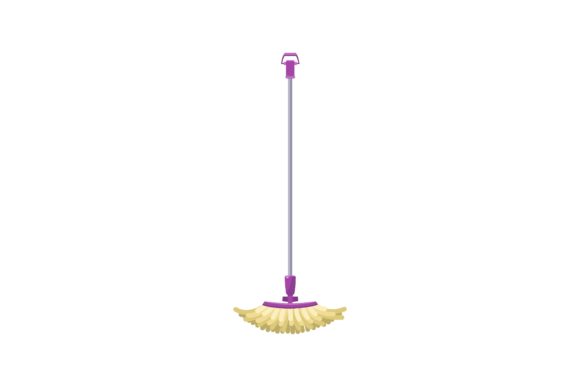
When we talk about cleaning supplies flat vector illustration concepts or visual guides, we often see brooms, brushes, mops, and dustpans isolated on white backgrounds. While these images look tidy, they hide the complexity of real-world application. In reality, these household cleaning tools must interact with gravity, friction, liquid viscosity, and surface texture. Understanding this interaction is what separates a good cleaning routine from a mediocre one. The goal is not just to push dirt around but to lift and trap it effectively.
Common Mistakes That Undermine Your Cleaning Efforts
One of the most frequent errors is ignoring the type of flooring before purchasing a mop. Many beginners buy a sponge mop because it looks sleek, only to find it leaves water puddles on porous tile grout or fails to pick up fine dust from laminate. Another common pitfall is neglecting the bucket system. A standard bucket without a wringer forces the user to dip, wring by hand, and repeat, which dilutes the cleaning solution quickly and spreads dirty water back onto the floor. This lack of control over moisture levels is a primary reason why floors remain damp and slippery after cleaning.
Furthermore, people often underestimate the importance of maintenance. A mop head left wet in a closed bin becomes a breeding ground for mold and bacteria. When you use a contaminated mop, you are essentially painting your floor with germs instead of removing them. This mistake affects not only the cleanliness of the space but also the air quality and the overall health of the occupants. It renders all other cleaning efforts pointless because the tool itself has become a source of contamination.
Evaluating Quality and Efficiency Before You Buy
To avoid these pitfalls, you need a strategic approach to evaluating Mop for Washing Floor. Cleaning Supplies. Start by assessing your specific environment. Do you have large open areas like a warehouse or garage, or are you navigating tight corners in a kitchen? For large, open spaces, a wide-headed push mop or a rotary machine might be the best choice for speed. However, for detailed work around baseboards and furniture legs, a smaller, maneuverable spray mop or a traditional string mop offers better precision.
Consider the mechanism of the mop head. Microfiber technology has revolutionized the industry because it traps dust through static electricity rather than just pushing it away. If you are looking at a product description, check if the fibers are electrostatically charged or simply woven cotton. Cotton absorbs water well but holds less dust compared to high-quality microfiber. Additionally, examine the handle ergonomics. A lightweight aluminum handle reduces strain on your back and shoulders, making the task sustainable for longer periods without fatigue.
Practical Steps for Better Results
Once you have selected the right equipment, the technique matters just as much. Here are practical steps to ensure you get the most out of your cleaning supplies:
- Dust First: Never apply water to a dusty floor. Use a dry microfiber duster or a vacuum to remove loose particles first. If you mop over dust, you create mud that is difficult to remove and can scratch the surface.
- Change the Water Frequently: As soon as the water in your bucket turns gray, change it. Using dirty water redistributes grime across the entire room, defeating the purpose of cleaning.
- Use the Right Solution: Avoid using excessive soap or harsh chemicals unless necessary. Too much soap leaves a residue that attracts more dirt and makes floors sticky. Often, warm water with a mild pH-neutral cleaner is sufficient for daily maintenance.
- Proper Drying: After mopping, allow the floor to air dry completely or use a dry towel to buff off excess moisture. This prevents water spots on glass tiles and warping on wood.
Cost vs. Value: Making Smart Decisions
It is tempting to buy the cheapest option available, but in the world of cleaning supplies, cheap often means expensive in the long run. A low-quality mop may fall apart after a few uses, requiring constant replacement. Conversely, a higher-quality mop with replaceable heads and a durable frame offers better value over time. Think of it as an investment in your workflow. For professionals and entrepreneurs, downtime caused by broken tools or inefficient cleaning processes directly impacts productivity and customer satisfaction.
When comparing products, look beyond the initial price tag. Consider the cost of replacement parts, the availability of refills, and the durability of the construction. A robust spin mop system might cost more upfront, but its ability to wring out water efficiently saves time and reduces the amount of cleaning solution needed. This efficiency translates to lower operational costs and a more consistent cleaning outcome.
Final Thoughts on Choosing Your Tools
Selecting the right mop for washing floor and accompanying cleaning supplies is a decision that impacts your daily life and the longevity of your property. By avoiding common mistakes like mismatching tools to surfaces or neglecting maintenance, you can achieve a deeper, more hygienic clean with less effort. Remember that the best tool is the one that fits your specific needs and is used correctly. Take the time to evaluate your requirements, invest in quality materials, and adopt proper techniques. Your floors—and your back—will thank you for the extra attention to detail.