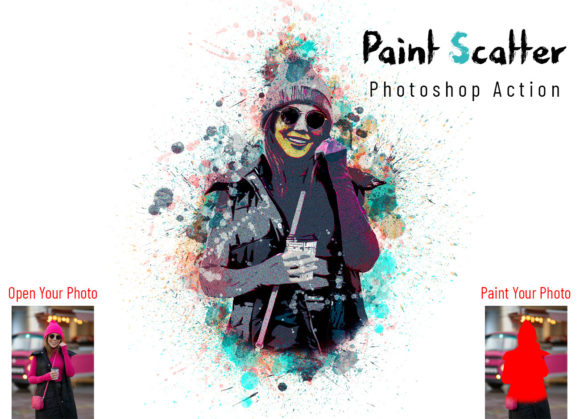
Paint Scatter Photoshop Action: A Strategic Tool for Visual Impact
In the competitive landscape of digital media, the difference between a good image and a memorable one often lies in the details. The Paint Scatter Photoshop Action represents more than just a technical shortcut; it is a strategic asset for photographers, designers, and content creators aiming to elevate their visual storytelling. By automating complex texturing effects, this tool allows professionals to infuse images with a unique, hand-painted aesthetic that captures attention and conveys emotion. However, like any powerful creative resource, its value is realized only when applied with intention, clear goals, and an understanding of how it fits into a broader brand strategy.
Defining the Paint Scatter Photoshop Action
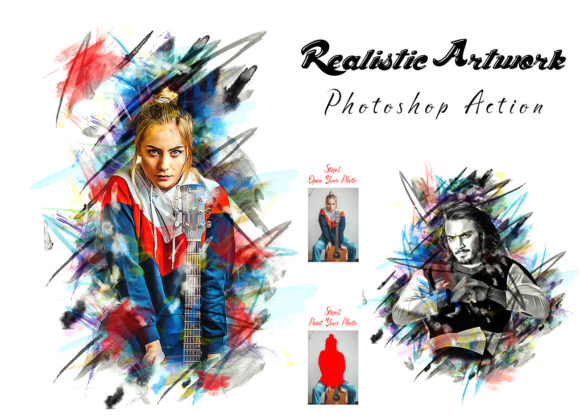
The Paint Scatter Photoshop Action is an automated script designed for Adobe Photoshop that transforms standard photographs into artistic compositions featuring dynamic paint splatter effects. Unlike manual masking or layering, which can be time-consuming and technically demanding, this action executes a series of predefined steps to generate realistic scatter patterns instantly. It is compatible with a wide range of software versions, including CS5, CS5.5, CS6, CC, CC2014 through CC2020 (English Version), ensuring accessibility for both legacy systems and modern workflows.
Strategically, this tool serves as a force multiplier for creativity. It bridges the gap between high-fidelity photography and abstract art, allowing creators to produce "stunning" and "awesome" looks without sacrificing efficiency. For entrepreneurs and marketers, this means the ability to rapidly prototype visual concepts for campaigns, social media, or branding materials. The action does not merely add noise; it adds texture, depth, and a sense of movement that can make static images feel alive and engaging.
Strategic Value in Branding and Communication
Visual consistency and distinctiveness are cornerstones of effective branding. When used thoughtfully, the Paint Scatter Photoshop Action can become a signature element of a brand's visual identity. Imagine a fashion retailer using these textures to create edgy, urban campaign imagery, or an educational platform using softer variations to suggest creativity and learning. The key lies in alignment: the effect must support the message rather than distract from it.
For decision-makers and small business owners, the efficiency gained by using this action translates directly to operational productivity. Instead of spending hours manually painting over images, a designer can apply the effect across a batch of assets in minutes. This speed allows teams to iterate faster, test different visual directions, and respond quickly to market trends. In the context of customer experience, unique visuals stop the scroll on social feeds and increase engagement rates, ultimately driving better conversion metrics.
Furthermore, the action supports long-term results by enabling the creation of a diverse portfolio. A photographer specializing in portraits can use the tool to offer clients a premium "artistic edition" of their photos, adding perceived value to their services. This differentiation helps position the creator as a versatile professional capable of delivering high-end, custom looks.
Implementation: A Step-by-Step Strategic Approach
To maximize the effectiveness of the Paint Scatter Photoshop Action, users must follow a precise workflow. Rushing the setup often leads to suboptimal results that require rework, negating the time-saving benefits. Here is the recommended process for integrating this tool into your production pipeline:
- Preparation and Canvas Expansion: Before opening the action, ensure your workspace is optimized. Open your base image in Photoshop. A critical step often overlooked is expanding the canvas space around the photo. Select the Background image, choose the Crop Tool from the toolbar, and expand all sides to provide room for the paint scatter to extend beyond the original frame. Resize the image to standard dimensions for web or print—specifically, set Width (W) to 3000px, Height (H) to 2000px, and Resolution to 72 dpi via the top menu bar. Press Enter to confirm. This ensures the final output has sufficient resolution and breathing room for the effect.
- Layer Management and Painting: Create a new layer above your background and rename it "paint" (in lowercase). Select a brush tool and apply strokes where you want the paint scatter to originate. The density and placement of these strokes dictate the final look. Once satisfied, hide the visibility of the "paint" layer by clicking the eye icon, but keep the layer selected. This selection is crucial for the action to know where to apply the scattering logic.
- Execution and Refinement: Click the Play button on the Actions panel to run the Paint Scatter Photoshop Action. The process will pause at specific points, indicated by a stop message stating "The Action is finish." At this stage, you have control over the final details. To erase unwanted areas, set your foreground color to black (#000000) and use a soft brush to mask out excess paint. Conversely, to add more detail or intensity, set the foreground color to white (#ffffff) and paint over the desired areas. This manual intervention ensures the result aligns perfectly with your creative vision.
Decision-Making: When to Use and When to Hold Back
While the Paint Scatter Photoshop Action is a powerful tool, indiscriminate use can dilute a brand's message or overwhelm the subject of the photograph. Strategic application requires asking the right questions before hitting the play button.
Consider the Context: Is the image intended for a corporate report or an avant-garde music festival poster? The former likely demands clean, unobstructed clarity, while the latter thrives on chaos and texture. Using a heavy paint scatter effect on a product shot meant for e-commerce might obscure critical details, leading to poor sales performance. Always evaluate whether the texture enhances the focal point or competes with it.
Audience Expectations: Different demographics respond to different aesthetics. A younger audience might appreciate the raw, energetic vibe of scattered paint, whereas a conservative demographic might find it distracting. Understanding your target audience is essential for deciding if this effect supports your communication goals.
Consistency vs. Variety: If you plan to use this action across multiple images for a single campaign, ensure the style remains consistent. Randomly varying the intensity and color of the scatter can make a brand look disjointed. Plan your palette and stroke density beforehand to maintain a cohesive visual narrative.
Risks of Unintentional Usage
The ease of automation brings inherent risks. Without clear goals, creators may fall into the trap of "effect for effect's sake," applying the Paint Scatter Photoshop Action simply because it looks cool, ignoring whether it serves the project's purpose. This can lead to cluttered designs that fail to communicate the core message.
Additionally, relying too heavily on pre-made actions can stifle creative growth. While the tool accelerates production, it should not replace fundamental design skills. Professionals should understand the underlying principles of composition, color theory, and texture so they can modify the action's output effectively. If the automatic result feels generic, the user must be prepared to manually refine the layers, adjust blending modes, or combine the effect with other techniques to achieve a truly unique outcome.
There is also the risk of technical incompatibility if the user ignores version requirements. Although the action works on versions from CS5 up to CC2020, always verify your software environment before starting a project to avoid workflow interruptions. Ensuring you are working within the supported English Version of Photoshop prevents unexpected errors during execution.
Long-Term Planning and Creative Growth
Integrating tools like the Paint Scatter Photoshop Action into your workflow is about more than immediate results; it is about building a sustainable creative practice. By mastering this action, you free up mental bandwidth to focus on higher-level strategic decisions, such as campaign planning, client relations, and market positioning.
Over time, the ability to rapidly generate high-quality, textured images becomes a competitive advantage. It allows you to take on more projects, experiment with bolder ideas, and deliver superior value to clients. However, remember that tools evolve, and so should your approach. Regularly review your work to ensure the effects you are using still resonate with current design trends and audience preferences.
Ultimately, the Paint Scatter Photoshop Action is a means to an end. Its true power is unlocked when wielded by a thoughtful practitioner who understands the balance between automation and artistic intent. By following best practices, maintaining strategic focus, and continuously refining your technique, you can transform ordinary images into extraordinary visual statements that drive real-world results.