Understanding the Versatility of Watercolor Ink Digital Paper Backgrounds
In the realm of digital design, texture and depth often distinguish a professional layout from a generic one. The Watercolor Ink Digital Paper Background has emerged as a preferred resource for creators seeking to infuse organic warmth into their projects without the unpredictability of traditional media. Unlike flat vector graphics or solid color fills, this specific style combines the fluidity of watercolor washes with the sharp definition of ink lines. This hybrid approach offers a unique visual language that bridges the gap between hand-crafted artistry and digital precision.
For adults navigating the vast landscape of digital assets—whether for book publishing, web development, or social media marketing—understanding the nuances of this format is essential. It is not merely a decorative element but a functional tool that influences readability, brand perception, and overall aesthetic cohesion. Evaluating whether this background style fits your specific project requires a clear understanding of its technical specifications, artistic characteristics, and how it compares to alternative design resources.
The Distinctive Character of Watercolor and Ink Textures
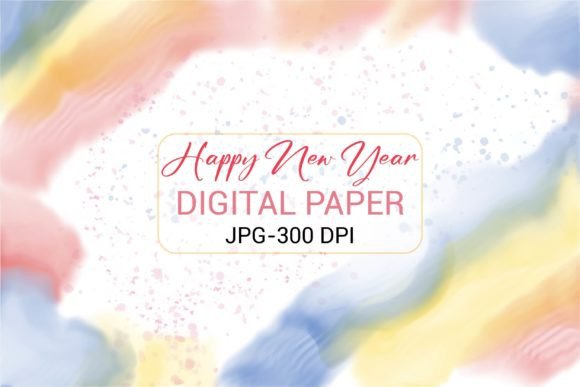
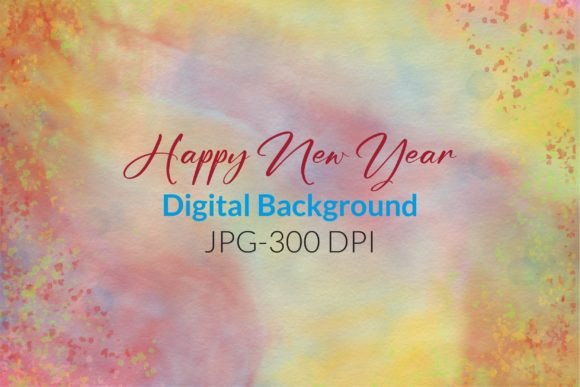
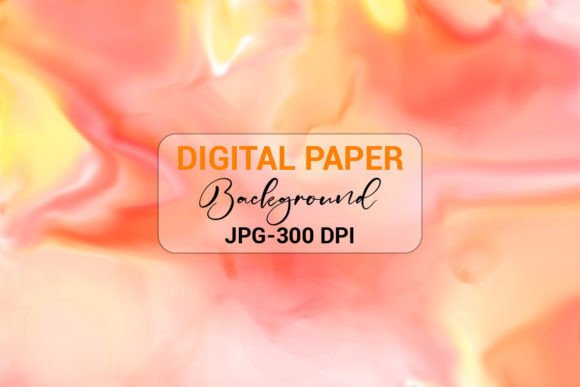
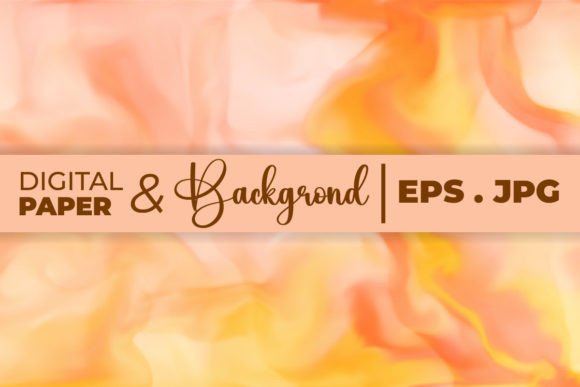
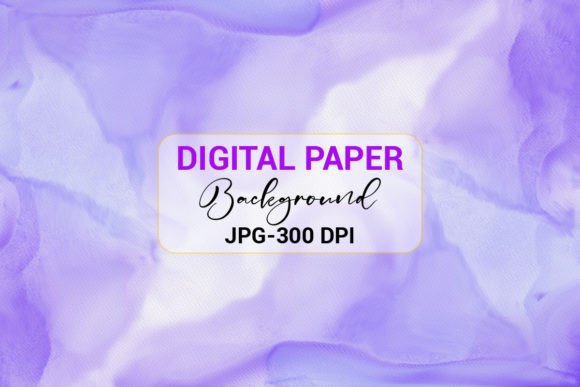
The appeal of a Watercolor Ink Digital Paper Background lies in its ability to mimic physical materials while maintaining digital flexibility. Traditional watercolor is defined by its transparency, where layers of pigment interact to create depth. When combined with ink, which provides bold, high-contrast outlines, the result is a dynamic texture that suggests movement and spontaneity. In a digital context, this is achieved through high-resolution scanning and careful processing to ensure the "wet" look remains intact without pixelation.
What makes this distinct from other digital paper options is the interplay of softness and structure. A standard watercolor background might appear too washed out for text-heavy documents, while a pure ink illustration can feel stark or rigid. By merging these two elements, the design offers a balanced canvas. The ink components can guide the eye and frame content, while the watercolor areas provide a soothing backdrop that reduces visual fatigue. This duality is particularly effective for designs that require both personality and professionalism.
Technical Specifications and Quality Standards
When evaluating digital assets, resolution is a primary decision factor. The Watercolor Ink Digital Paper Background typically comes in high-quality formats, such as 300 DPI JPEG files compressed within a ZIP archive. This resolution is critical for print applications, ensuring that when scaled up for book covers or mobile phone cases, the fine details of the ink strokes and the subtle gradients of the watercolor remain crisp. Lower resolution alternatives, often found at 72 DPI, are suitable only for screen display and will degrade significantly if printed.
The file format itself also dictates usability. While some designers prefer layered PSD files for maximum editing control, the JPEG format offers immediate compatibility across a wide range of software. This includes user-friendly platforms like Canva, as well as professional suites like Microsoft Word, PowerPoint, and Adobe Creative Cloud. For users who need to integrate backgrounds quickly into presentations or documents without complex layer management, the single-layer high-res JPEG provides an efficient workflow. However, this convenience comes with the tradeoff of limited editability; you cannot separate the ink from the paint once the image is flattened.
Comparing Digital Paper Styles and Alternatives
To make an informed choice, it is helpful to compare the Watercolor Ink Digital Paper Background against other common categories of digital textures. One frequent alternative is the vector-based pattern. Vector graphics are mathematically defined, allowing them to be scaled infinitely without quality loss. They are ideal for logos and icons where clean lines are paramount. However, vectors often lack the organic imperfections that give watercolor its charm. If a project demands a "hand-made" feel, a vector pattern may appear too sterile or artificial.
Another comparison point is the photorealistic texture, such as scanned photographs of actual paper or fabric. These offer extreme realism but can sometimes introduce noise or unwanted color casts that interfere with overlaying text. In contrast, a stylized watercolor ink background is usually processed to have a consistent tonal range, making it easier to place typography over without compromising legibility. Furthermore, unlike raw photos, these digital papers are often designed with negative space or lighter areas specifically intended for content placement.
Consider also the solid color or gradient fill. While these are safe choices for corporate communications, they rarely evoke an emotional response. The texture inherent in watercolor ink adds a tactile dimension that flat colors cannot achieve. For instance, on a social media post, a textured background can stop a user from scrolling because it feels more engaging and human-centric than a standard gradient. The decision ultimately rests on the desired tone: if the goal is minimalist efficiency, a solid color works; if the goal is artistic expression, the watercolor ink option is superior.
Evaluating Use Cases and Practical Applications
The versatility of this background style allows it to serve multiple functions across different media. Its application ranges from commercial publishing to personal branding, provided the usage aligns with the visual weight of the design.
- Book Covers and KDP Interiors: For authors using platforms like Amazon Kindle Direct Publishing (KDP), a high-resolution background is non-negotiable. The Watercolor Ink Digital Paper Background is particularly effective for fiction genres, journals, and workbooks. The artistic nature of the ink strokes can suggest creativity, while the watercolor tones set a mood that aligns with the narrative. It serves as an excellent base for titles and author names, offering enough contrast for readability while adding a premium feel.
- Web Backgrounds and Presentations: On websites and in slide decks, the challenge is balancing aesthetics with performance. A heavy texture can distract from the main message. However, when used subtly or with an opacity adjustment, this background can add depth to a landing page or title slide without overwhelming the content. It is especially useful for creative portfolios, wedding invitations, or educational materials where a friendly, approachable vibe is needed.
- Social Media Posts and Stickers: In the fast-paced environment of Instagram or Pinterest, visual hierarchy is key. This background style helps posts stand out in a feed dominated by flat images. For digital stickers, the defined ink lines allow for easy isolation and cutting, making them perfect for planners and scrapbooking apps.
- Mobile Covers and Merchandise: When printing on physical goods like phone cases or T-shirts, the texture must translate well to the printing method. The 300 DPI quality ensures that the intricate details of the ink do not blur during the sublimation or direct-to-garment process. The organic shapes of the watercolor blend naturally with curved surfaces, avoiding the harsh edges that geometric patterns might exhibit.
Decision Factors: When to Choose and When to Look Elsewhere
While the Watercolor Ink Digital Paper Background is highly versatile, it is not a universal solution. Understanding its limitations is just as important as recognizing its strengths. This style is the right choice when your project benefits from an artistic, organic, or vintage aesthetic. It is ideal for brands that want to convey authenticity, creativity, or a human touch. If you are designing a journal, a children's book cover, or a boutique product line, the emotional resonance of watercolor and ink is likely to enhance the final product.
Conversely, there are situations where this option may not be the best fit. For highly technical documents, scientific reports, or strict corporate branding guidelines, the irregularity of watercolor might be perceived as unprofessional or distracting. In these contexts, a clean, white background or a subtle, neutral grid pattern is often more appropriate. Additionally, if your design requires extensive manipulation of individual elements—such as moving the ink lines independently from the color wash—a flattened JPEG file will be restrictive. In such cases, seeking out layered source files or creating custom artwork would be a better investment of time and resources.
Cost and accessibility also play a role. High-quality digital papers are often available as affordable bundles, providing significant value compared to commissioning custom illustrations. However, free alternatives exist, though they frequently suffer from lower resolution or restrictive licensing terms. Investing in a premium pack that guarantees 300 DPI and commercial rights ensures that your project meets professional standards and avoids legal complications.
Integrating the Design into Your Workflow
Once you have decided that the Watercolor Ink Digital Paper Background suits your needs, integration should be straightforward. Because the files are typically provided as standard JPEGs, they can be imported directly into most design tools. In Canva, you can upload the image and set it as a page background, then adjust the brightness or saturation to match your color palette. In Microsoft Word or PowerPoint, the image can be inserted into the header or slide master to apply it consistently across the entire document.
For more advanced users working in Photoshop or Illustrator, the high-resolution nature of the file allows for masking, blending modes, and the addition of further graphic elements. You might choose to overlay a semi-transparent white box to ensure text readability, or use the ink lines as a border frame. The key is to treat the background as a foundation rather than the sole focus. Let the texture support your content, not compete with it.
Ultimately, the choice of background is a strategic design decision. The Watercolor Ink Digital Paper Background offers a compelling balance of artistic flair and practical utility. By understanding its technical qualities, comparing it to other styles, and matching it to the specific requirements of your project, you can leverage its potential to elevate your work. Whether you are publishing a book, launching a website, or creating social media content, this resource provides a sophisticated starting point that enhances visual communication without unnecessary complexity.