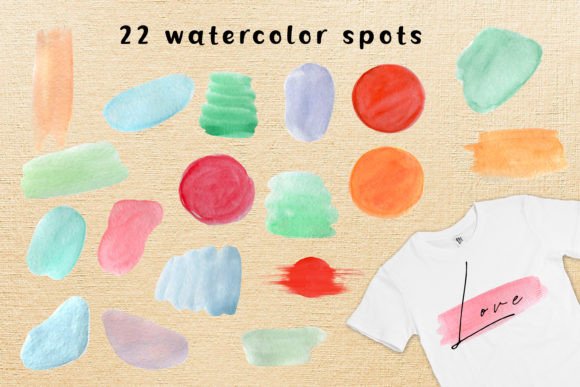
Watercolor Stains. Clipart Splash: A Practical Guide to Digital Art Assets
In the realm of digital design and creative illustration, the texture and authenticity of visual elements often determine the success of a project. Among the various resources available to designers, Watercolor Stains. Clipart Splash has emerged as a versatile tool for adding organic depth to compositions. These assets are not merely static images; they represent a specific aesthetic approach that mimics the unpredictable, fluid nature of traditional watercolor painting. For professionals and hobbyists alike, understanding what these clipart splashes offer, how they compare to other graphic styles, and when to deploy them is essential for making informed design decisions.
Defining the Watercolor Stain Aesthetic
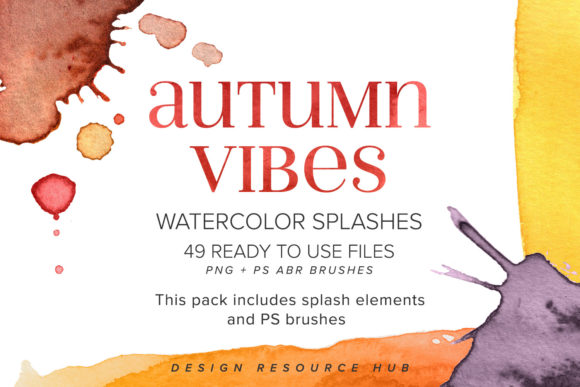
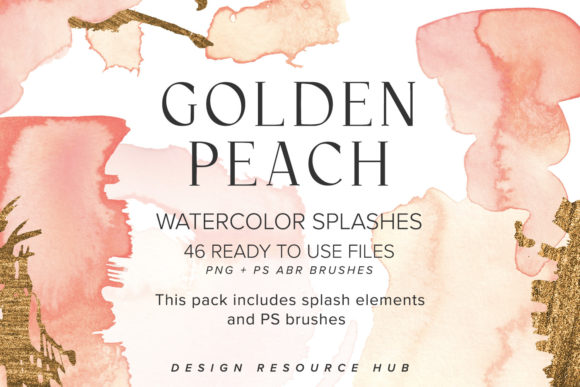
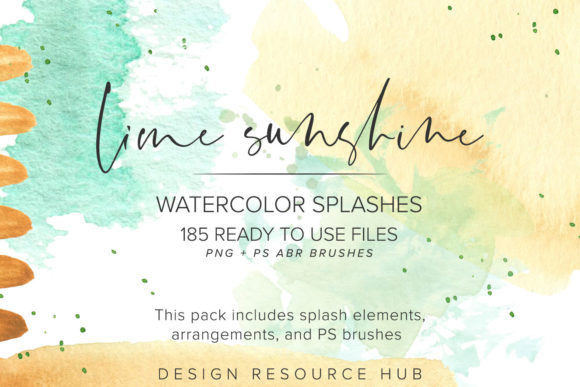
Watercolor Stains. Clipart Splash refers to a collection of high-resolution digital graphics designed to replicate the look of paint hitting paper or canvas. Unlike vector-based shapes that often appear too perfect or rigid, these illustrations capture the irregular edges, pigment pooling, and subtle color gradients characteristic of hand-drawn watercolor work. The distinct quality of these assets lies in their ability to introduce "imperfection" into a digital workflow, bridging the gap between clean vector art and tactile, handmade textures.
The technical specifications of these files play a crucial role in their utility. Typically provided as PNG files with transparent backgrounds at 300dpi, they ensure that the artwork remains crisp whether viewed on a screen or printed on physical media. This resolution is significant because it allows for scaling without the pixelation that often plagues lower-quality web graphics. The transparency feature is equally important, enabling designers to layer these stains over photographs, text, or other graphical elements without the need for complex masking or background removal.
Comparison with Alternative Graphic Styles
When evaluating Watercolor Stains. Clipart Splash, it is helpful to consider how they stack up against other common design resources. One primary alternative is the use of solid vector shapes. While vectors are scalable and editable, they lack the textural nuance of watercolor. A solid circle in a vector program looks geometric and precise; a watercolor splash looks dynamic and alive. If a project requires a corporate, sterile, or ultra-modern look, vectors may be superior. However, for projects aiming for warmth, creativity, or an artisanal feel, the watercolor stain offers a distinct advantage.
Another comparison point is the use of stock photography of actual paint splatters. Photographs can provide hyper-realism, but they often come with lighting inconsistencies, shadows, and background noise that require extensive editing to integrate seamlessly. Watercolor Stains. Clipart Splash assets, being digitally created or carefully isolated scans, offer a cleaner integration path. They provide the organic look of real paint without the logistical headaches of photographing and retouching physical materials. Furthermore, unlike photos, these clipart elements can be recolored within software like Adobe Illustrator or Photoshop, offering flexibility that a fixed photograph cannot match.
Evaluating Use Cases and Applications
The versatility of Watercolor Stains. Clipart Splash extends across a wide range of applications, from digital interfaces to physical merchandise. Understanding where these assets shine helps designers allocate their resources effectively. In print-on-demand products, such as t-shirts, tote bags, and mugs, the high resolution (300dpi) ensures that the intricate details of the paint splatter remain visible even after printing. The organic nature of the stains works particularly well on textiles, softening the appearance of bold typography or geometric patterns.
Beyond apparel, these assets are valuable in stationery design and branding. Logos that incorporate watercolor elements often convey a sense of approachability and creativity, making them suitable for businesses in education, wellness, arts and crafts, or boutique retail. The ability to use these files as ornaments cut in wood, plastic, or paper further expands their utility into the realm of physical crafting and signage. Designers can import the PNG files into cutting software, trace the outlines, and produce tangible decorations that retain the artistic flair of the original digital file.
Integration into Digital Workflows
A key strength of Watercolor Stains. Clipart Splash is their compatibility with standard computer programs. Whether using industry-standard tools like Adobe Photoshop, Illustrator, or more accessible alternatives like Canva or GIMP, these PNG files function smoothly. The transparent background eliminates the need for manual erasing, allowing for immediate placement within a composition. Additionally, the option to color them manually—either by printing and using pencils or brushes, or by applying digital fills—adds a layer of customization. This dual potential for digital manipulation and physical interaction makes them a unique resource for mixed-media artists.
However, there are tradeoffs to consider. Because these are raster-based images (PNG), they do not scale infinitely like vectors. While 300dpi is sufficient for most print needs, enlarging them beyond their intended size can result in a loss of clarity. Therefore, they are best suited for projects where the final output size is known and controlled. For large-format billboards or massive banners, a vector equivalent or a custom illustration might be necessary to maintain quality.
Decision Factors: When to Choose Watercolor Splashes
Determining whether Watercolor Stains. Clipart Splash is the right choice depends heavily on the desired emotional tone and functional requirements of the project. These assets are ideal when the goal is to evoke feelings of spontaneity, nature, or human touch. They work exceptionally well in designs that aim to break away from the rigid grid systems typical of modern web design. If a client or project brief calls for a "handmade," "eco-friendly," or "artistic" vibe, these stains are a strong candidate.
Conversely, there are scenarios where these assets may not be the optimal solution. In highly technical documentation, medical interfaces, or financial reporting, the casual and fluid nature of watercolor splatters can undermine the perception of precision and authority. Similarly, if a brand identity relies on sharp lines, minimalism, or futuristic aesthetics, the organic bleed of a watercolor stain might clash with the overall visual language. In such cases, geometric patterns or clean vector icons would serve the communication goals more effectively.
Cost-Benefit Analysis of Custom vs. Pre-made Assets
Designers often face the decision between commissioning custom watercolor illustrations or utilizing pre-made clipart collections. Creating original watercolor art involves time-consuming processes: painting, scanning, cleaning up edges, and digitizing. While this yields a completely unique asset, it comes with a higher cost in terms of time and budget. Watercolor Stains. Clipart Splash offers a cost-effective alternative. By purchasing or licensing a collection of high-quality PNGs, designers can achieve a similar aesthetic impact with significantly less effort.
The tradeoff here is exclusivity. Using widely available clipart means others may have access to the same assets. To mitigate this, skilled designers often manipulate the files—adjusting opacity, blending modes, colors, and layering multiple stains to create a composite image that feels unique. This approach balances efficiency with originality, allowing for rapid prototyping while still maintaining a degree of personalization.
Practical Implementation Strategies
To maximize the value of Watercolor Stains. Clipart Splash, designers should adopt strategies that enhance their integration. One effective technique is the use of blending modes in photo editing software. Setting a watercolor splash to "Multiply" or "Overlay" can allow underlying textures or images to show through, creating a cohesive, layered effect rather than a flat sticker-like appearance. Color adjustments are also critical; shifting the hue of a stain to match a brand palette can transform a generic element into a tailored component of the design system.
For those interested in the coloring aspect mentioned in product descriptions, the process can be both educational and creative. Printing the black-and-white line versions of the stains allows for physical experimentation with water-soluble pencils or actual watercolor paints. This hybrid method is particularly useful for educators or workshops where the goal is to teach color theory or texture blending. Once colored, these physical pieces can be scanned back into the computer, resulting in a one-of-a-kind digital asset that combines the precision of clipart with the soul of hand-painting.
Ultimately, the decision to use Watercolor Stains. Clipart Splash rests on the specific needs of the project and the designer's vision. They offer a robust solution for adding organic texture and artistic flair to a wide array of mediums, from digital logos to printed merchandise. By weighing the benefits of their high resolution and versatility against the limitations of raster formats and considering the stylistic fit for the intended audience, creators can leverage these tools to produce compelling, professional-grade work. As with any design resource, the key lies not just in the asset itself, but in how thoughtfully it is applied within the broader context of the creative endeavor.